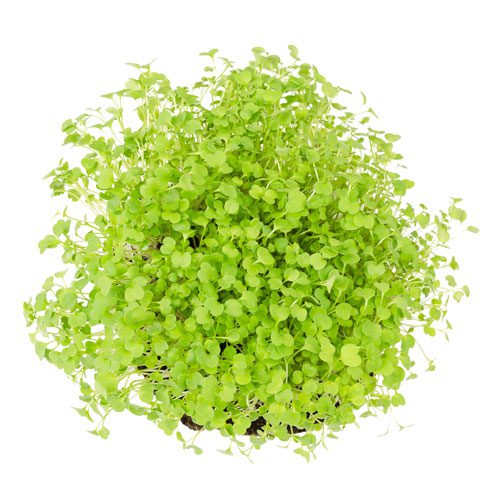
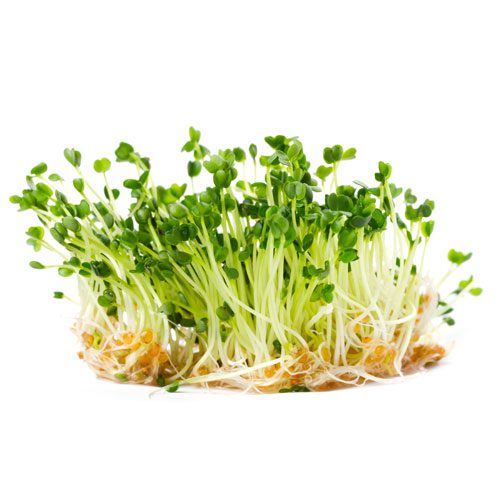
Arugula Sprouting and Microgreens Seeds
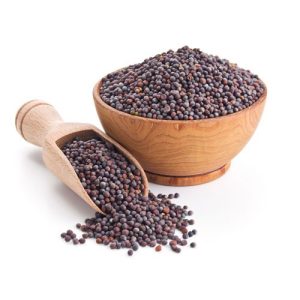
A pungent, leafy green vegetable resembling a longer-leaved and open lettuce, Eruca sativa is rich in vitamin C and potassium. In addition to the leaves, the flowers, young seed pods and mature seeds are all edible.
Grown as an edible herb in the Mediterranean area since Roman times.
Arugula was traditionally collected in the wild or grown in home gardens along with such herbs as parsley and basil. It is now grown commercially in many places, and is available for purchase in supermarkets and farmers’ markets throughout the world. It is also naturalised as a wild plant away from its native range in temperate regions around the world, including northern Europe and North America. In India, the mature seeds are known as Gargeer. This is the same name in Arabic, جرجير(gargīr), but used in Arab countries for the fresh leaves.
Arugula Sprouting and Microgreens Seeds for Commercial Growers
Arugula is a chef’s crop, and it behaves like one: fast, flavorful and premium priced. The microgreen carries the same peppery, slightly nutty bite as mature arugula but more concentrated, which is why it turns up on pizzas, steaks, salads and anything that needs a sharp green note without a whole handful of leaves.
It is also one of the quickest things you can grow. For a grower selling to restaurants, arugula is the crop that lets you say yes to a Thursday order and deliver on Monday.
Growing notes
Arugula is small-seeded and needs a light hand. Utah State University Extension puts arugula microgreens at roughly 10 grams per 1020 tray with no presoak, one to two days covered and six to eight days to harvest, which is the lowest seeding rate and one of the shortest cycles of any crop on their list. Penn State Extension groups arugula with the brassica microgreens that can be harvest-ready in about seven to eight days. The low rate is the thing to internalize: overseeding arugula is the most common and most expensive mistake on this crop, and it produces exactly the dense, damp mat where problems start.
- Uniform, high-vigor small seed, selected for the even emergence a thin seeding rate demands.
- Untreated and grown for food use.
- Germination figure and lot identity with every order.
- Runs as both a sprout and a microgreen from the same lot.
Food safety and documentation
Arugula reaches the plate raw, so the seed carries the risk. FDA’s sprout-specific requirements are in 21 CFR part 112, Subpart M. Every lot we offer passes ISS food safety screening before it is sold, and lot documentation is ready when your buyer or inspector asks.
Selling it
Arugula is a restaurant sale more than a grocery sale, and restaurant customers buy a list, not an item. Pair it with cilantro, radish and kale and you have a sheet worth a chef’s time. The wash system and cyclone centrifuge system keep a delicate leaf intact through processing.
Questions about a lot, a germination figure, or which size makes sense for your run? Call us at (800) 277-7688 or send us a note. You will get somebody who has grown this crop, not a call center.