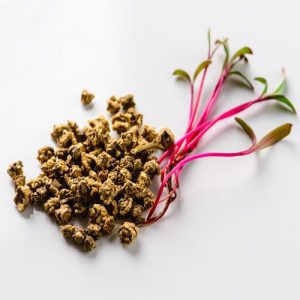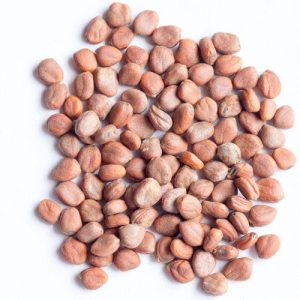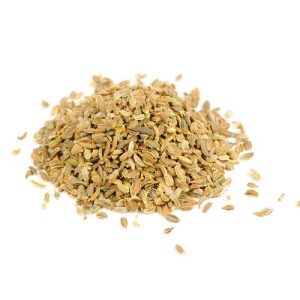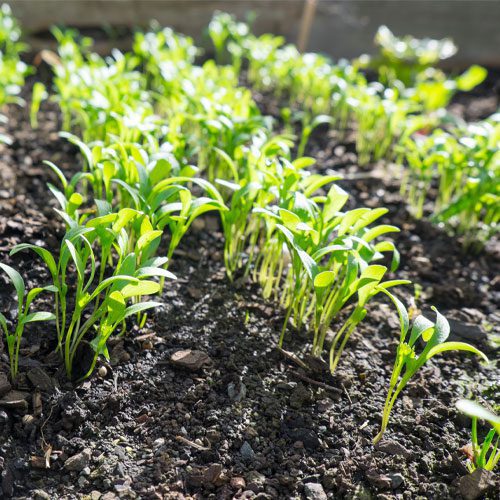
Cilantro Microgreens Seeds
Cilantro is very difficult to grow hydroponically. We recommend growing micro cilantro in soil. Germination of cilantro microgreens is erratic with some emerging at about a week, and some seeds taking longer, so be patient with them. Sow quite thickly ( on a bed of lightly compacted soil (about 1 cup of seed for a 21″ x 11″ tray. Cover with a thin layer of soil or vermiculite (1/4 inch) and tamp very lightly. Cilantro micro greens grow slowly and the seeds prefer cooler temperatures (under 70 degrees), especially during germination. Experiment with placing your germinating trays in much cooler areas.
Recognized as a leading supplier of bulk commercial sprout and microgreens seeds, we are well-positioned to supply you with Cilantro seeds. We supply growers globally, and we’d love to have you as a new customer. Call now to get our latest seeds and pricing. We can be reached at (800) 277-7688.
Cilantro Microgreens Seeds for Commercial Growers
Cilantro microgreens are worth more per tray than almost anything else you can grow, and there is a good reason for that: they take three to four weeks. Most growers will not give a tray up for a month, so supply stays thin while demand from kitchens stays constant. If you have the bench space and the patience, cilantro is one of the most profitable crops in this catalog.
The flavor is the payoff. Cilantro microgreens taste more intensely of cilantro than the mature herb does, with none of the woody stem, and a chef can use a small quantity to carry a whole dish. Salsa producers, taco kitchens and Southeast Asian restaurants all buy it.
Growing notes
Plan for a long cycle and plan the space before you start. Utah State University Extension puts cilantro microgreens at roughly 28 grams per 1020 tray with no presoak, seven to fourteen days covered and twenty-one to twenty-eight days to harvest. That blackout period is far longer than any other crop on their list, and it is the part growers underestimate. What the crop needs from you is consistency: even moisture, steady airflow and no temperature swings across four weeks.
One practical note: cilantro seed is technically a fruit containing two seeds, so germination figures and stand density do not behave the way they do with a single-embryo seed. Split seed is available and germinates faster, and which one you want depends on your process. Ask us.
- Fresh, high-vigor seed, tested by lot, with the figure available on request.
- Untreated and grown for food use.
- Whole or split seed options. Tell us your process and we will point you at the right one.
Food safety and documentation
A four week crop is four weeks of exposure, so seed screening and sanitation both have to hold. FDA’s framework is in 21 CFR part 112, Subpart M. Every lot we offer clears ISS food safety screening before it is sold, and lot documentation is available for buyers and inspectors.
How to price the crop you grow
Do not price cilantro against arugula. A crop that occupies a tray for a month has to earn a month of that tray’s revenue, and kitchens that want cilantro microgreens already know they are a premium item. Pair it with carrot and garlic chives on the same chef list.
Questions about a lot, a germination figure, or which size makes sense for your run? Call us at (800) 277-7688 or send us a note. You will get somebody who has grown this crop, not a call center.