Alfalfa Sprouts
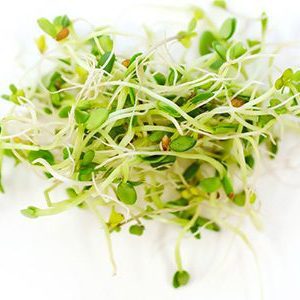
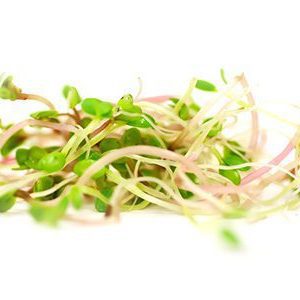
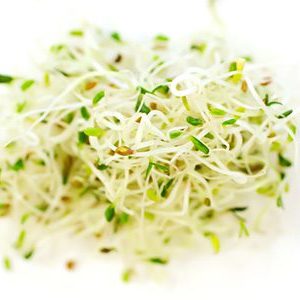
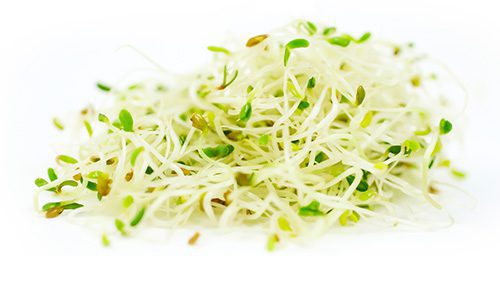
The classic leafy sprout. Mild, faintly nutty flavor and a crisp, delicate texture that works anywhere you would use lettuce.
Description
What they taste like
Alfalfa is the sprout most people picture when they hear the word, and it earned that position
honestly. The flavor is mild with a faint nuttiness behind it, and the texture is crisp and fine
rather than watery. They are too delicate to cook. Heat collapses them and you lose the one thing
they are best at, which is crunch.
In the kitchen
Treat alfalfa as a lettuce substitute and you will use it constantly. A handful on a sandwich
instead of leaf lettuce, piled on an open face bagel with cream cheese and tomato, folded into a wrap,
scattered over a salad at the last second so they stay upright, or laid across an omelet just as it
comes out of the pan. They go on top of things, not into them.
Keeping them fresh
Fresh sprouts are a living product and they behave like one. Keep them refrigerated, keep them
in their container or something that lets a little air move, and use them within a few days of
opening. Do not leave them sitting on the counter. If a batch starts to smell sour or feels slimy
rather than crisp, it is past its best and belongs in the trash, not in a salad. Rinse under cool
running water before use and drain them well, because water sitting in the bottom of a container
is what shortens their life.
Nutrition, without the hype
Sprouts and microgreens are harvested young, and research from
Penn State Extension and
Utah State University Extension covers what that means
nutritionally and how these crops are grown. We will leave the detail to them rather than make claims
about what a sandwich topping will do for you. What we will say plainly is that alfalfa sprouts are a
low calorie way to add fresh crunch and interest to food you were going to eat anyway.
How they are grown
These sprouts are grown by people who also build the equipment the industry grows on. That is
not a slogan, it is the actual arrangement: International Specialty Supply supplies sprouting seed
worldwide, manufactures the
Sentrex growing and washing equipment in Cookeville,
Tennessee, and grows finished sprouts here as well. Incoming seed lots are sampled and tested before
they ever reach a grow room, and the FDA regulates sprouts as a covered commodity with their own
dedicated rules under
21 CFR part 112, subpart M.
A straight word about raw sprouts
We would rather tell you this ourselves than have you find it somewhere else. Because sprouts are
grown in warm, humid conditions, the FDA notes those same conditions favor bacterial growth, and that
people who are more vulnerable to foodborne illness
“should avoid eating raw or lightly cooked sprouts of any kind.” That group includes young children,
older adults, pregnant women and anyone with a weakened immune system. The FDA also notes that
“cooking produce thoroughly kills harmful bacteria and reduces the risk of illness.” You can read the
full guidance on
selecting and serving produce safely. For everyone else,
buy from a grower who tests seed and cleans equipment properly, keep them cold and use them fresh.
Or grow them yourself
Alfalfa is the most forgiving crop there is for a first time home sprouter, which is why it is where nearly everyone starts. Our alfalfa sprouting seed is the same seed commercial growers buy from us, and the page walks through the soak, rinse and drain rhythm. If you want a little more interest in the jar, the clover and radish seed pages are worth a look too.
Where to get them
SunGarden sprouts are grown and shipped from Cookeville, Tennessee. For availability, pack sizes,
retail and foodservice ordering, or to find out who carries them near you, call
(800) 277-7688 or get in touch and a real person will answer.