
Sentrex Mung Bean System
A complete bean sprout production line from ISS, covering seed sanitation, growing, hulling, dewatering and packing, in manual configurations for small growers and fully automated ones for large.
How bean sprouts are actually grown
Bean sprouts have been a staple Asian ingredient for more than five thousand years, and the method has not changed as much as you might think. Seed is sanitized, soaked, spread into large bins and placed in a controlled environment where humidity, water, nutrients, gases and temperature are monitored constantly. Unlike green sprouts, bean sprouts are grown entirely in the dark. What has changed is the equipment, and that is the difference between a crop you hope turns out and a crop you can schedule, document and sell.
What the Sentrex line covers
The ISS bean sprout line is built around safe, repeatable production, and it covers the whole cycle rather than one step of it. There are manual configurations for small growers and fully automated ones for large operations, and the same line also grows soy sprouts for specialty Asian markets.
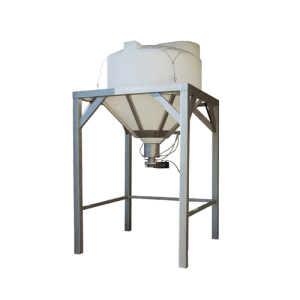
- ISS Seed Sanitizer and Soaking System
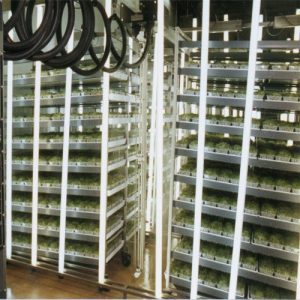
- ISS Sentrex Bean Sprout Growing System
- ISS Encore Reclamation System
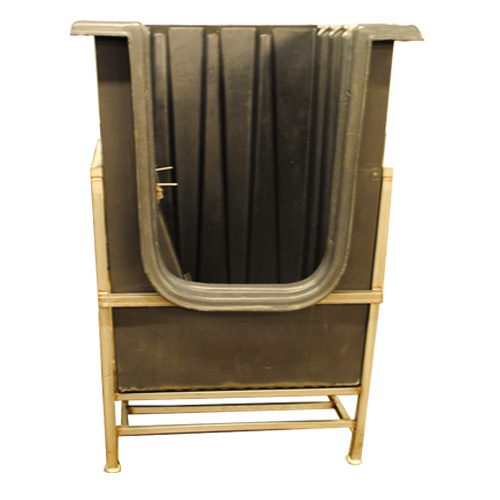
- ISS Titan Bin Rotator
- ISS Vibrating Huller
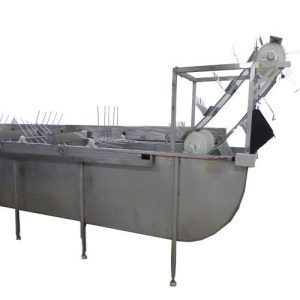
- ISS Wash System
- ISS Cyclone Centrifuge System
- ISS Air Knife System
- ISS Pack-Off Table
- ISS Automatic Packaging Machine
Sanitation and soaking
Seed treatment is the first control point in a bean sprout operation and the one inspectors ask about first. The sanitizing and soaking stage is where seed is treated and brought up to moisture under controlled conditions before it ever reaches a grow bin. For sprouted grain work at volume, the Sprouted Grain Activation Tank handles the same job on a larger scale with programmable controls and automatic chemical addition.
Growing, hulling and dewatering
Once seed is soaked it goes into the Sentrex growing system, where the dark, humid, temperature controlled environment the crop needs is held steady rather than chased. Coming out, the Titan Bin Rotator unloads bins in minutes instead of by hand, the Vibrating Huller or the Wash System takes the hulls off and rinses, and the Cyclone Centrifuge System pulls the water back out before the product is packed.
Why this matters for food safety
Sprouts are grown in warm, wet conditions, which is exactly what a pathogen wants, and the FDA treats them as a covered commodity with its own rules under 21 CFR part 112, subpart M. Equipment that can be taken apart and cleaned properly is not a nice extra in that environment. It is how you pass an inspection and how you keep a recall from ever starting. A bean sprout line that can be cleaned in place, drained properly and documented step by step is the whole reason this equipment is built the way it is.
Seed to match the equipment
ISS supplies the seed as well as the machinery, which means one supplier for both halves of the operation. Our sprouting seed catalog includes the broccoli, red cabbage, radish and onion varieties that commercial growers run week in and week out.
Sizing a line for your operation
A bean sprout line is not something you order off a page. It depends on how much finished product you need per week, what your ceiling height and floor space allow, what power and water you have available, and whether you are packing bulk or retail. Call (800) 277-7688 or get in touch and we will work through the configuration with you, including what to buy first if you are building up in stages.