Kale Sprouting Seeds
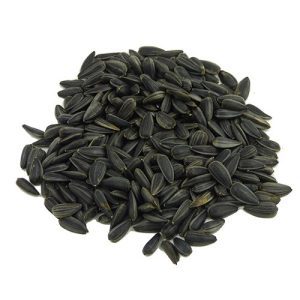
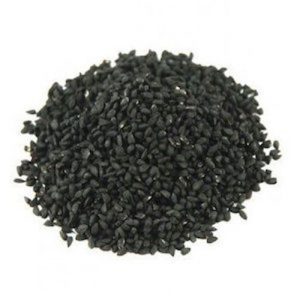
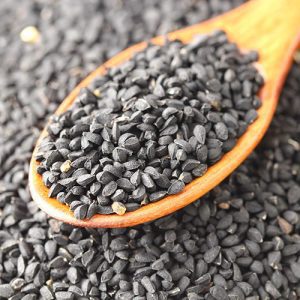
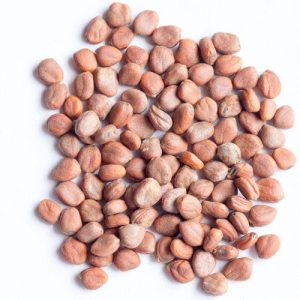
Kale is a small and rounded seed, normally black or dark brown in color, having its origin in the Eastern Mediterranean and Asia Minor region (present day Turkey). Derived from wild mustard, kale is considered to be closer to wild cabbage than most domesticated forms of B. oleracea.
Kale sprouts and microgreens are packed with nutrients that support a healthy immune system. These nutrients include vitamins A, C, and K, as well as minerals like calcium and potassium. Vitamin A is important for immune function because it helps regulate the immune response and support the production of white blood cells.
Where to Purchase Kale Sprout Seeds
Looking to buy commercial-grade kale sprout seeds? We’re here to help. If you grow sprouts commercially, ISS has an extensive array of seed varieties to choose from. For pricing on kale sprout seeds, call (800) 277-7688.
Kale Sprouting Seeds for Commercial Growers
Kale has one of the strongest names in produce, and that name transfers to the sprout and the microgreen without any explanation needed. A customer who has never bought a microgreen in their life will still pick up kale, because they already believe it is good for them. In a category where most of the selling is education, that head start is worth real money.
The crop itself is agreeable. Kale microgreens come up with sturdy stems and broad green leaves, the flavor is mild and sweet compared to a mustard, and the harvest window is generous enough to absorb a busy week.
Growing notes
Kale is a brassica, so the fundamentals are the broccoli fundamentals: uniform seed, careful even hydration, a cool room. Utah State University Extension puts kale microgreens at roughly 28 grams per 1020 tray with no presoak, one to two days covered and eight to twelve days to harvest, and Penn State Extension notes that brassica microgreens including kale can be ready in as little as seven to eight days. As a vessel sprout it finishes far faster.
- Tight seed sizing. Small seed with inconsistent sizing is where uneven stands begin.
- Germination and vigor tested by lot, because on a fast crop a weak lot shows up as a thin tray, not a slow one.
- Untreated and grown for food use.
Food safety and documentation
Kale sprouts and microgreens are ready-to-eat products, so seed screening does the heavy lifting. FDA’s sprout requirements are in 21 CFR part 112, Subpart M, covering seed treatment, agricultural water, environmental monitoring and spent sprout irrigation water sampling. Every lot we offer clears ISS food safety screening, and documentation is available on request.
Where it fits your line
Kale sells itself, which makes it a good anchor for a mixed brassica offering alongside broccoli and red cabbage. The wash system and cyclone centrifuge system handle the seed coat and water load.
Questions about a lot, a germination figure, or which size makes sense for your run? Call us at (800) 277-7688 or send us a note. You will get somebody who has grown this crop, not a call center.