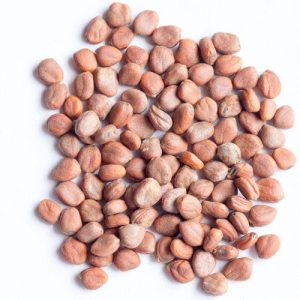
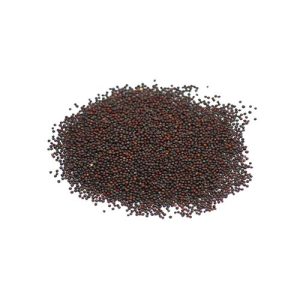
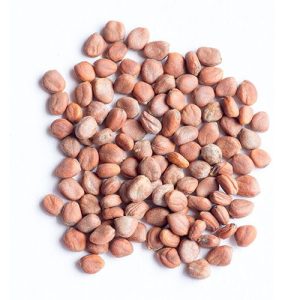
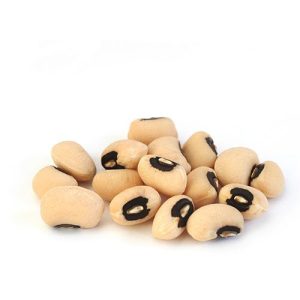
Mung Bean Sprout Seeds
Possibly originating in India, Southern Asia, or the Malayan Islands, mung bean sprouts have been cultivated in the Orient for thousands of years. Today, “bean sprouts” are synonymous with mung bean sprouts, and the popularity of this nutritious sprout continues to grow. They are a good source of protein, fiber and vitamin C.
We can provide you with mung bean sprout seeds of the highest quality. We supply sprout growers in dozens of countries. Call now to get our latest mung bean sprout seeds pricing. Our customer service team can be reached at (800) 277-7688.
Mung Bean Sprout Seeds for Commercial Growers
Mung bean is the sprout most people picture when they hear the word “bean sprout,” and for a commercial grower it is usually the backbone of the operation. It moves in volume, it holds up in a package better than most tender sprouts, and it sells to grocery, foodservice and Asian market customers who buy it every week without needing to be sold on it.
The seed we ship is graded and screened for commercial sprouting, not repackaged garden seed. That matters more with mung than with almost anything else, because mung goes into big vessels with a lot of water and a lot of weight on top of it. Uneven seed size gives you uneven soaking, uneven soaking gives you hard seed and split hulls, and those two problems show up later as short yield and as a bin that heats in the middle.
What growers ask us about most
- Germination and vigor. Every lot has a germination figure and a lot number attached to it, and we will give you both before you buy. Vigor is the part that does not show up on a seed tag; you find it in how evenly a batch comes up, so we screen for it deliberately.
- Sizing. Consistent seed size is what lets you repeat a soak schedule instead of guessing at it every run.
- Hull behavior. Clean, intact seed hulls come off cleanly in a huller. Beat-up seed does not, and no amount of washing fixes it after the fact.
- Lot continuity. If a lot works for you, tell us and we will hold what is left of it for you. Changing lots mid-season is a real cost that does not show up on an invoice.
Food safety starts at the seed
Sprouts are a regulated category, and the seed is where a grower’s risk is concentrated. FDA sets sprout-specific requirements under the Produce Safety Rule in 21 CFR part 112, Subpart M, including how you treat seed and how you sample and test spent sprout irrigation water. We have been supplying this industry since long before that rule existed, and our seed goes through ISS food safety screening before it is offered to you. If your inspector or your buyer’s auditor wants documentation on a lot, ask us and you will get it.
Why customers keep eating it
Mung sprouts are cheap to produce and genuinely good for people, which is a rare combination. A cup of raw mung bean sprouts runs about 31 calories with roughly 3 grams of protein, close to 14 mg of vitamin C and 34 mcg of vitamin K, according to the nutrition data published by the University of Rochester Medical Center. Mung has been grown for food in Asia for thousands of years, and demand has never needed a marketing campaign.
Growing mung at scale
If you are producing mung in volume, the seed is one half of the equation and the room is the other. ISS builds the equipment side too, including the Sentrex Mung Bean System, the Vibrating Huller for hull removal and the Cyclone Centrifuge System for dewatering and crisping before pack-off. Buying seed from the same people who build the equipment means you can ask one question instead of three.
Talk to us about your lot
We supply sprout growers in dozens of countries, in quantities from a starter bag to a pallet. Call (800) 277-7688 for current mung bean sprout seed pricing, lot availability and germination figures, or use our contact form and we will get back to you.