Black-Eyed Pea Seeds
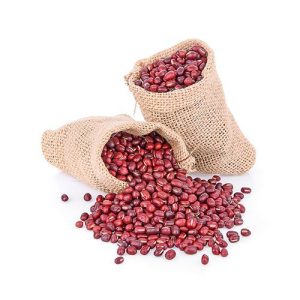
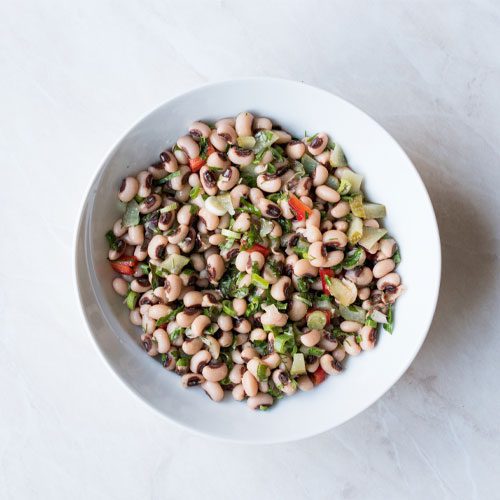
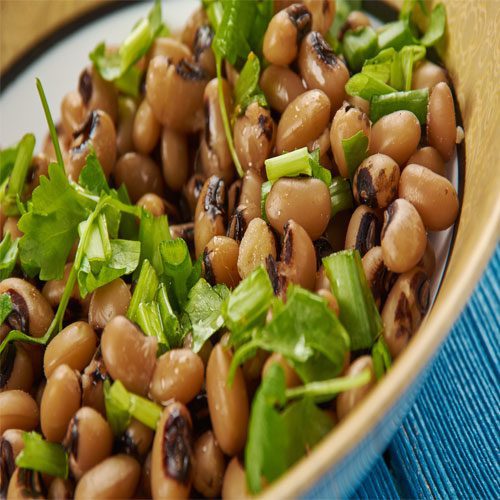
A favorite in the southern U.S., this nutritious legume is most often sold rehydrated, rather than sprouted, in the produce sections of grocery stores. Black eye peas should be large and light tan (not gray) for an attractive product.
Want to grow black-eyed peas? If so, we can provide you with the black-eyed pea sprout seeds you need. If you grow sprouts commercially, ISS is your one-stop shop for sprouting seeds, sprout growing equipment and more. Call now to get our latest black-eyed pea sprouting seeds pricing. We can be reached at (800) 277-7688.
Black-Eyed Pea Seeds for Sprouting
Black-eyed pea is an underused sprout with a built-in customer. It carries real regional and cultural recognition in the American South and across West African and Caribbean cooking, which means you are not educating the shopper from zero. Sprouted, it keeps its shape and its bean character, holds up in a hot dish better than a delicate sprout does, and cooks faster than the dry pea it came from.
For a grower looking to widen a bean sprout line past mung, it is a sensible second or third item. The growing method is already in your building, the customer already knows the name, and it looks different enough on the shelf to be worth a facing.
Growing notes
Treat it as a large-seeded legume. Full soak, heavy irrigation, and attention to the heat the mass generates as it grows. Black-eyed pea is on the larger end of what people sprout, so give it room; crowding a big seed is how you get uneven results and pockets that go off. Sprouted short, at the point where the root has just emerged, is where most buyers want it.
- Cleaned and sized for sprouting, with splits and mechanically damaged seed removed.
- Untreated and grown for food use, not field seed moved into the food channel.
- Lot identity and germination figure available with every order.
Food safety and documentation
If it is going out raw or lightly cooked, the seed is your first control point. FDA’s sprout requirements are in 21 CFR part 112, Subpart M, covering seed treatment, agricultural water, environmental monitoring and spent irrigation water testing. Every lot we offer clears ISS food safety screening first, and lot paperwork is ready for your records.
Equipment
Bean sprouts at volume need dehulling and dewatering more than they need anything clever. Our vibrating huller, wash system and cyclone centrifuge system are the standard set, and the Sentrex mung bean system logic applies to any large bean you decide to scale.
Questions about a lot, a germination figure, or which size makes sense for your run? Call us at (800) 277-7688 or send us a note. You will get somebody who has grown this crop, not a call center.